
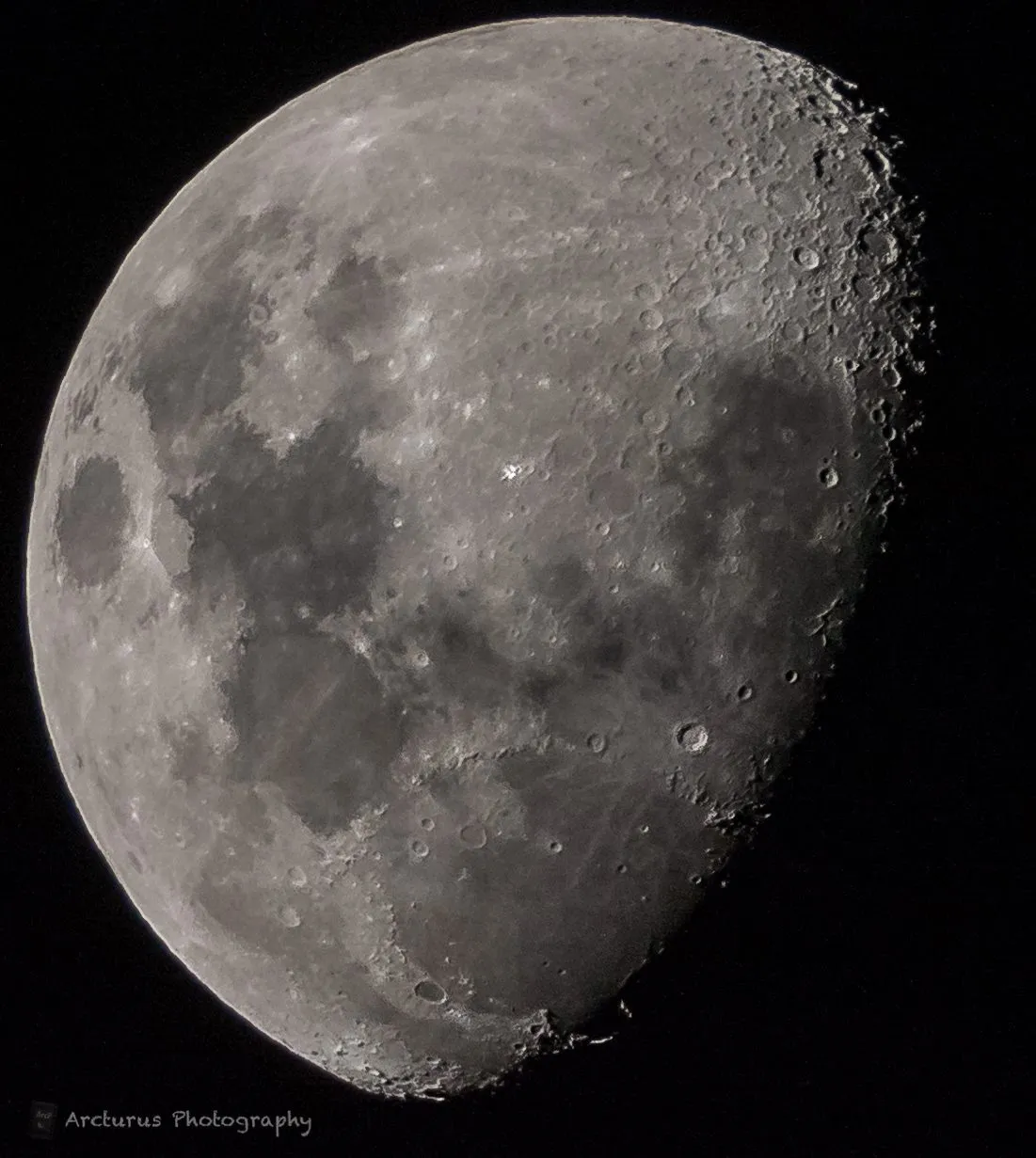
Transit Sequence
The keeper frames from the crossing.
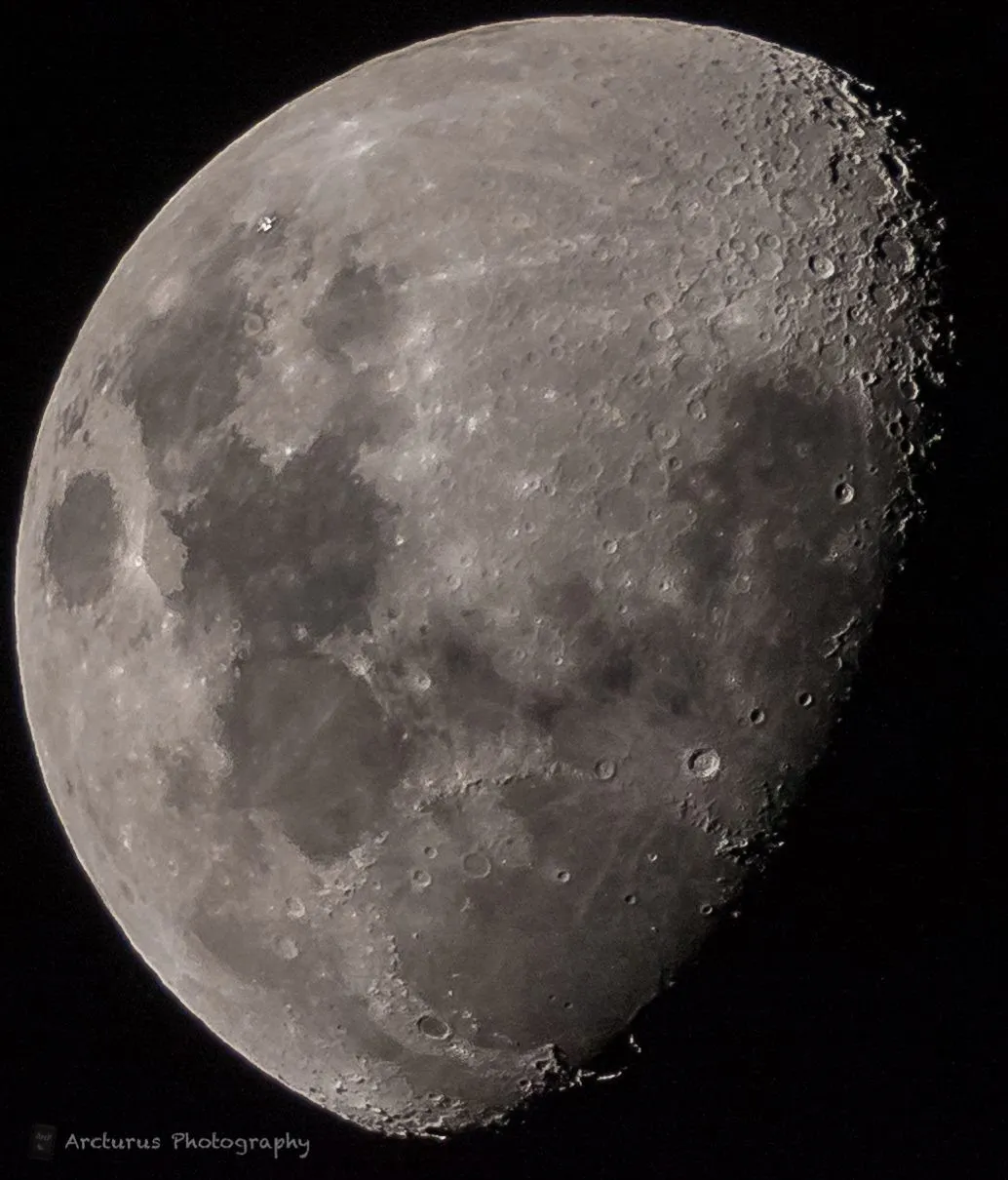
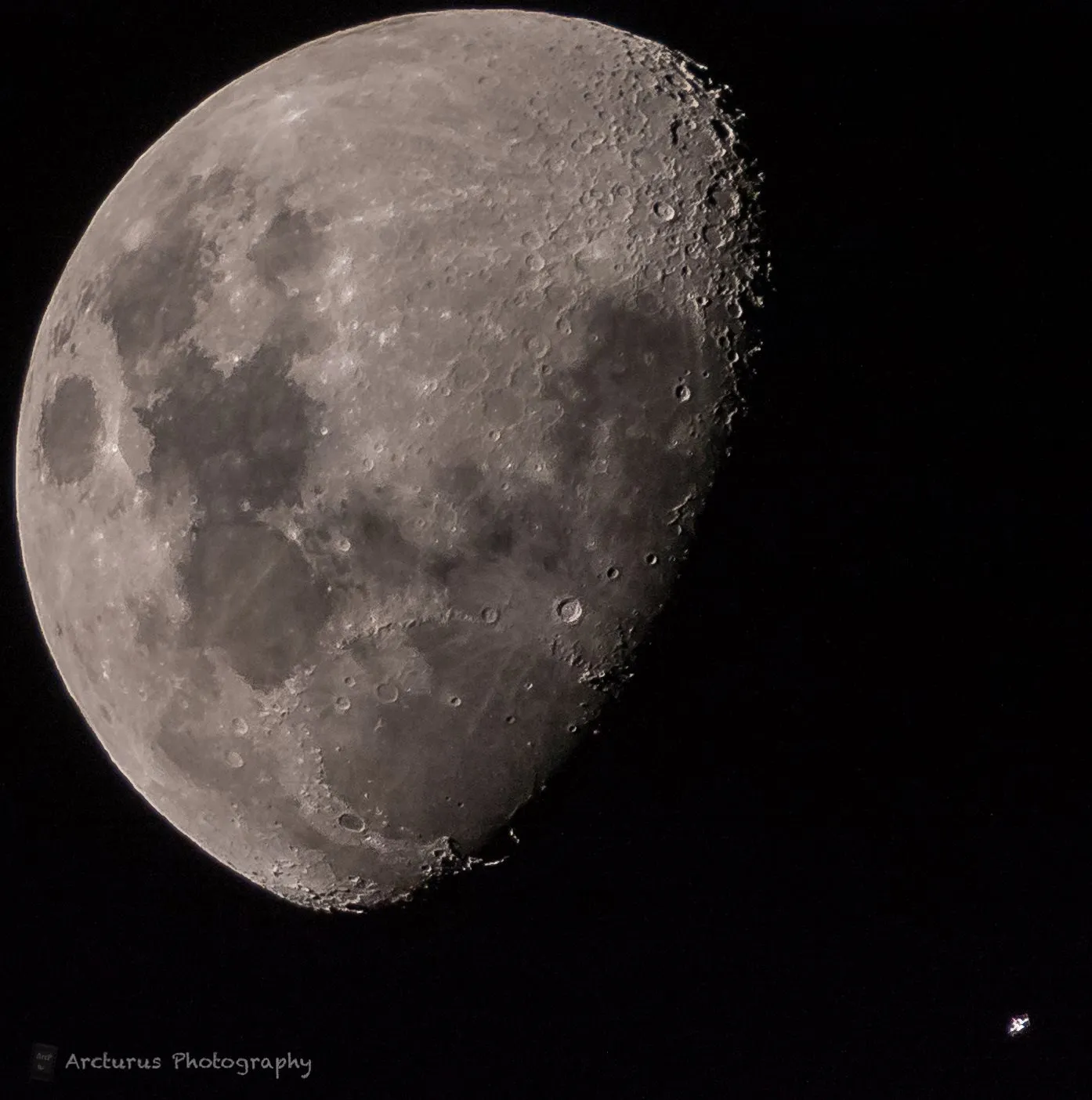
This was my first real swing at astrophotography.
Not “first carefully planned imaging run with calibrated flats and a spreadsheet.”
Proper first swing. Borrowed 400mm lens. Nikon D90. Velbon tripod. White Hill Reserve car park. Handheld manual tracking. A lot of hope doing some very heavy lifting.
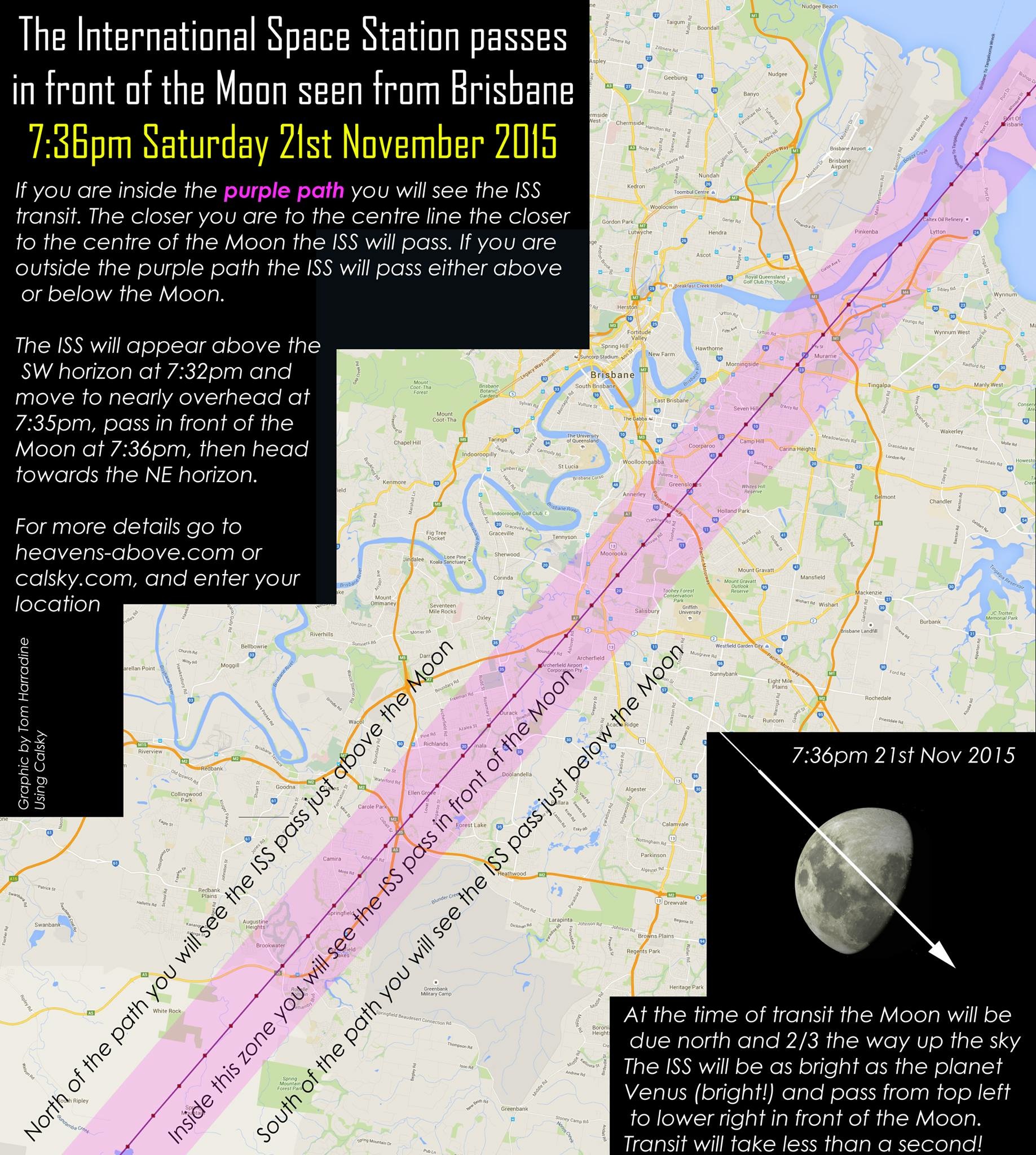
The target was an ISS transit across the Moon on 21 November 2015. Transit events are gloriously rude little things: precise, brief, and entirely uninterested in whether you are ready.
Why this one matters to me
It was the first time I pointed a camera at the sky and came away with something that felt like more than a lucky snapshot.
Objectively, this is not a perfect image. It was never going to be. But that is part of why I like it. You can see the whole learning curve inside the frame: manual timing, manual aiming, borrowed gear, and just enough success to make the whole hobby permanently dangerous.
The brief
Be in the right place, point at the right patch of sky, follow the Moon by hand, and try to catch a transit that lasts a fraction of a second. Very calm. Very normal.
The setup
White Hill Reserve was not chosen because it was some pristine dark-sky location. It was chosen because it put me where I needed to be for the geometry of the transit.
That is one of the funny things about event-driven astrophotography: sometimes “best location” means “the car park that happens to be in the line.”
I was 28, crouched behind a borrowed lens in a suburban car park, manually nudging the frame and trying to look like I knew exactly what I was doing. The photographic evidence suggests otherwise.
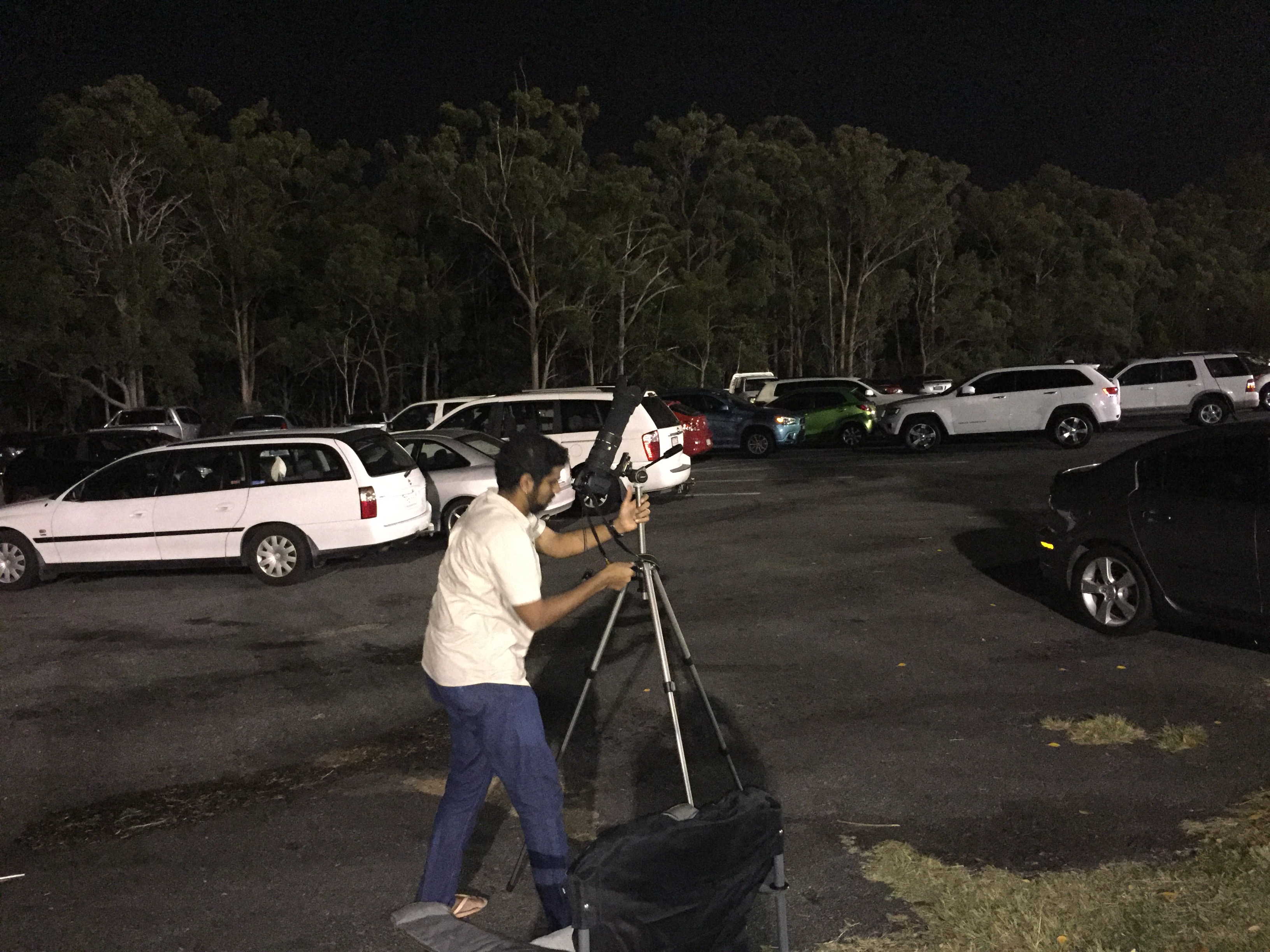
Gear reality check
No tracking mount. No remote observatory. No carefully engineered rig. Just a Nikon D90, a borrowed 400mm lens, a Velbon tripod, and some aggressively manual operating.
The moment
The trick with a transit like this is that there is no time to admire anything. You prepare, commit, and then find out later whether the camera agreed with your optimism.
That tiny bright shape crossing the lunar surface is the bit that hooked me. Not because it is dramatic in the usual wide-field sense, but because it is so absurdly small and fleeting. The whole image depends on timing and stubbornness more than brute-force equipment.
What I learned immediately
- Event timing matters as much as optics.
- A stable frame is nice, but determination can substitute for engineering for at least one night.
- Borrowed gear has a way of making you focus on the shot instead of the toy.
- Once you catch something like this, astrophotography stops being hypothetical.
Looking back
If I shot this today, I would do almost everything differently.
That is not a criticism of the session. That is the point.
This frame is the origin story. It is the picture that taught me two very useful things:
- you do not need perfect gear to start
- if you wait until you feel fully ready, you will miss the transit
For a first attempt, I will absolutely take that.